Brake problems often begin with a small change in sound, pedal feel, or stopping performance. Knowing what those signs mean can help you decide whether to schedule a brake inspection soon or stop driving and request assistance. This guide explains common warning signs and what they can indicate when you need brake repair in Bath, PA.
Your brakes include several connected components, including brake pads, rotors, calipers, hoses, lines, brake fluid, and the anti-lock braking system. A problem in one area can affect the entire system. If braking feels different than usual, do not ignore the change.
What Different Brake Noises Can Tell You
A light squeal during the first few stops
A light squeal that occurs during the first few stops of the day may not indicate a major problem. Moisture, surface rust, cold brake components, or overnight condensation can create temporary noise. The sound may disappear once the brakes warm up.
However, a recurring squeal deserves attention if it continues after several stops or occurs during most braking. Your vehicle may have a brake pad wear indicator. This small metal tab is designed to contact the rotor when the pad material becomes thin. The contact creates a high-pitched sound that tells you the brake pads are nearing replacement.
A light squeal does not automatically mean you need a complete brake job. The correct next step is a brake inspection. A technician can measure the remaining pad material and inspect the rotors before recommending brake service.
A constant squeal
A constant squeal may point to worn brake pads, a pad that is not moving correctly, or a caliper that is not releasing fully. It can also result from uneven wear or debris near the brake components.
If the noise is new and continues during normal driving or braking, schedule an inspection promptly. Continuing to drive may allow a smaller concern to damage the rotors or other components.
Grinding or scraping
Grinding is more serious than squealing. It often means the friction material on the brake pad has worn away, allowing the metal backing plate to contact the rotor. This is called metal-on-metal contact.
Metal-on-metal contact can quickly score or damage the rotor. It may also reduce stopping performance and create additional heat. Do not continue driving a vehicle that makes a severe grinding noise when braking unless a qualified technician has confirmed that it is safe.
If your vehicle is grinding, pull over in a safe location and arrange towing when possible. A local shop can inspect the system and determine whether the vehicle needs brake pads, rotors, caliper service, or additional repairs.
A Soft, Spongy, or Low Brake Pedal
A brake pedal that feels soft, spongy, or lower than normal requires immediate attention. The pedal may travel farther before the vehicle slows, feel springy under your foot, or sink closer to the floor when you hold pressure.
Several conditions can cause this symptom:
- Air in the brake lines
- Low brake fluid
- A leaking hose, line, caliper, or wheel cylinder
- A worn master cylinder
- An issue with the ABS hydraulic unit
- Rear drum brake adjustment concerns on vehicles equipped with drum brakes
Your braking system uses hydraulic pressure to transfer force from the pedal to the brake components at each wheel. Air or a fluid leak can prevent the system from building the pressure it needs.
A soft pedal is not a symptom to monitor for several weeks. If the pedal suddenly changes, sinks toward the floor, or requires pumping, stop driving when it is safe to do so. Call for assistance rather than driving to an auto repair shop. Zeetailz provides towing services for drivers who need help in the Bath, PA area.
Do not rely on pumping the pedal as a permanent solution. It may temporarily change the pedal feel without addressing the cause.
Pedal Pulsation, Steering Wheel Shake, and ABS Events
A brake pedal that pulses or a steering wheel that shakes during braking can have different causes.
A repeated pulsation during ordinary stops may indicate uneven rotor thickness, rotor runout, or other brake hardware concerns. Drivers often call this a warped rotor. The steering wheel may shake more noticeably when braking at highway speeds, while the pedal may pulse at lower speeds.
An ABS event feels different. When you brake hard on a wet, icy, loose, or slippery surface, the anti-lock braking system may activate. You may feel rapid pedal pulsation and hear a fast clicking or buzzing sound. This is usually the ABS system working to help prevent the wheels from locking. Keep firm pressure on the pedal and steer where you need to go.
If the pedal pulses during normal dry-road braking, or if the ABS warning light stays on, schedule a brake inspection. An illuminated ABS light indicates that the system has detected a fault. Normal braking may still work, but the anti-lock function may not be available when you need it.
If you experience a soft pedal and an ABS or brake warning light at the same time, do not continue driving. Request professional assistance.
Pulling to One Side While Braking
If your vehicle pulls left or right when you apply the brakes, the braking force may not be balanced between the wheels. Possible causes include:
- Uneven brake pad wear
- A sticking caliper
- A restricted brake hose
- A hydraulic pressure problem
- Uneven rotor condition
- Tire or suspension concerns that become more noticeable during braking
Pulling can make it harder to control your vehicle during an emergency stop. It can also create uneven wear if one brake component is doing more work than the others.
Schedule a brake inspection promptly. A technician should inspect the brake system along with the tires, steering, and suspension before identifying the source.
What the Brake Warning Light Means
The red brake warning light on the dashboard may illuminate for more than one reason. In many vehicles, the same light indicates that the parking brake is engaged. First, make sure the parking brake is fully released.
If the light remains on, the vehicle may have low brake fluid, a hydraulic system concern, or another brake warning. Do not assume it is only a sensor issue.
The amber ABS warning light is separate on many vehicles. It indicates a problem with the anti-lock braking system. The vehicle may continue to stop with its regular hydraulic brakes, but the ABS function may be limited.
A warning light combined with a soft pedal, fluid leak, grinding, smoke, or a major change in stopping ability should be treated as an immediate safety concern. Pull over safely and request assistance.
Burning Smell, Hot Wheels, or Brake Dragging
A sharp burning smell after repeated braking can indicate overheated brake components. This may happen after heavy traffic, steep downhill driving, towing, or repeated hard stops. A brief smell after demanding driving does not always mean a failure, but it should not be ignored if it returns.
A single wheel that feels much hotter than the others may indicate a dragging brake. A sticking caliper, seized slide, or parking brake concern can keep the pad against the rotor even when you are not pressing the pedal.
Other dragging symptoms include:
- The vehicle feels slow to accelerate
- The vehicle pulls to one side
- Fuel use increases
- You hear rubbing while driving
- The wheel area produces smoke
- The vehicle smells hot after a short drive
Do not touch a hot wheel or brake component. If you see smoke or the smell is strong, stop driving and request towing. Heat can damage pads, rotors, wheel bearings, brake fluid, and calipers.
How Long Do Brake Pads and Rotors Last?
Brake pads often last approximately 25,000 to 70,000 miles, but there is no single replacement interval that applies to every vehicle. Driving conditions make a significant difference.
Brake components may wear faster when you:
- Drive mostly in stop-and-go traffic
- Brake hard or frequently
- Carry heavy loads
- Tow a trailer
- Drive in hilly terrain
- Use roads with steep grades
- Operate a larger vehicle or SUV
- Spend long periods in dusty, wet, or winter conditions
Drivers in Northampton County and nearby areas may experience different wear depending on daily routes, traffic, weather, and vehicle use. Rotors can sometimes remain in service through more than one pad replacement, but their condition and measured thickness must be checked.
Regular inspections help identify wear before a pad reaches the backing plate. Follow your vehicle manufacturer’s maintenance schedule and ask for a brake inspection when rotating tires or completing other routine service.
What Happens During a Brake Inspection?
A proper brake inspection should involve more than looking through the wheel spokes. At a shop such as Zeetailz, a technician may inspect:
- Brake pad thickness and evenness of wear
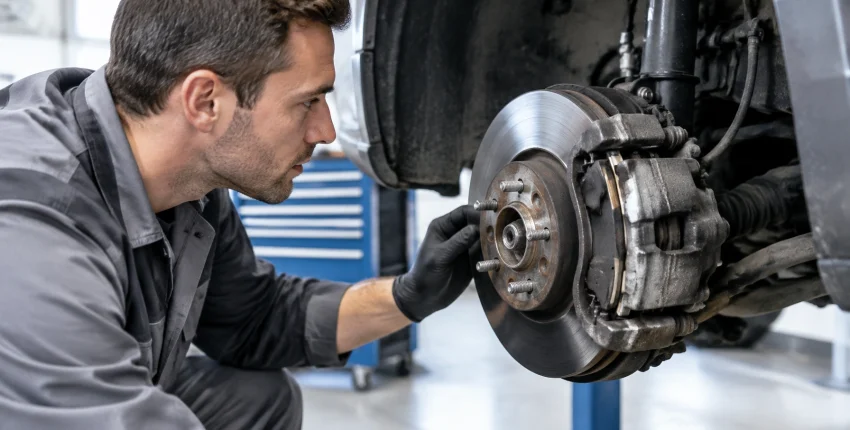
- Rotor thickness, scoring, grooves, cracks, and runout
- Caliper condition, movement, and leaks
- Brake hoses and steel lines
- Brake fluid level and visible condition
- Signs of fluid leaks near the wheels or master cylinder
- Parking brake operation
- ABS warning codes when a warning light is present
- Tire, steering, and suspension conditions that may affect braking
The technician should explain what was found and separate urgent concerns from maintenance recommendations. A written estimate can help you understand which components require attention now and which items can be scheduled later.
Not every brake noise means you need a full brake job. A light cold-start squeal may be temporary. A worn pad may not require rotor replacement if the rotor remains within specification. An honest inspection helps prevent unnecessary work while identifying safety concerns early.
Learn more about Zeetailz brake and rotor services, including brake pad replacement, rotor service, inspections, and braking performance checks.
Why Brake Fluid Matters Even When Braking Feels Normal
Brake fluid transfers pressure through the hydraulic system. Over time, it can absorb moisture and become contaminated. Moisture can lower the fluid’s boiling point and contribute to corrosion inside hydraulic components.
Old brake fluid may not create an obvious symptom during everyday driving. That is why fluid service belongs on your maintenance schedule, even when the pedal feels normal.
The correct service interval depends on your vehicle, fluid type, climate, and manufacturer recommendations. Check your owner’s manual and ask a technician to inspect the fluid during routine maintenance. Never add an unknown fluid type to the reservoir. Using the wrong fluid can damage seals and other components.
Schedule Brake Repair in Bath, PA
Brake warning signs should be handled based on severity. Grinding, a soft or sinking pedal, smoke, a major fluid leak, or a brake warning light combined with poor braking should not wait. A recurring squeal, vibration, pulling, or gradual change in pedal feel should receive a prompt brake inspection.
Zeetailz is a family-owned local shop serving Bath, PA and surrounding communities. The team provides clear communication, transparent recommendations, and brake service for all makes and models. Quality NAPA components are used when repairs are needed.
If your vehicle is making a new brake noise or stopping differently, call 484-246-7400 or book an appointment for a brake inspection. An inspection can show what your brakes need and help you make an informed repair decision.
